
green reflective glass
Paggamit ng Ring Gauge sa Pagsukat ng Sukat ng Mga Riwang Ang ring gauge ay isang mahalagang kasangkapan sa larangan ng engineering at manufacturing, partikular sa pagsukat ng mga sukat ng mga riwang o mga butas. Sa simpleng salita, ito ay isang uri ng gauge na ginagamit upang tiyakin ang eksaktong sukat ng isang riwang na may partikular na diameter. Ang significance ng ring gauge ay hindi matatawaran sa iba't ibang industriya, mula sa automotibo, aerospace, hanggang sa mga karaniwang gamit sa loob ng bahay. Paggamit ng Ring Gauge sa Pagsukat ng Sukat ng Mga Riwang Isa sa mga pangunahing dahilan kung bakit ginagamit ang ring gauge ay ang kakayahan nitong matukoy kung ang isang riwang ay pass o fail kung ihahambing sa standard na sukat. Ang mga ring gauge, kadalasang nahahati sa dalawang uri ang GO at NO-GO gauges. Ang GO gauge ay ginagamit upang tiyakin na ang riwang ay sapat na malaki upang magkasya, habang ang NO-GO gauge ay ginagamit upang tiyakin na ang riwang ay hindi masyadong malaki o labis. Ang prosesong ito ay napaka-importante sa maintindihan ang kalidad ng mga produktong ipinapadala o ginagamit. ring gauge is used for Sa mga industriyang tulad ng automotive, ang pagsusuri gamit ang ring gauge ay nakatutulong sa pagtiyak na ang bawat parte ng makina ay nagkakasya nang maayos. Ang mismong sukat ng mga bahagi ay kritikal sapagkat ang maling sukat ay maaaring magdulot ng malubhang problema sa pag-andar ng makina. Ang mga irregularities sa sukat ay maaaring magdulot ng hindi pagkakaunawaan sa pagkagawa ng produkto, na sa kalaunan ay magreresulta sa pagkaantala ng produksyon at karagdagang gastos. Bilang karagdagan, ang ring gauge ay hindi lamang para sa mga industriyal na aplikasyon. Sa mga hobbyist at DIY enthusiasts, ang pagsukat ng mga riwang gamit ang ring gauge ay nakatutulong upang masiguro ang tamang akma ng iba't ibang bahagi sa mga proyekto. Mula sa paggawa ng mga kahon, kasangkapan, at iba pang crafts, ang pagkakaroon ng tamang sukat ay isang pangunahing hakbang sa paglikha ng mataas na kalidad na mga produkto. Sa kabuuan, ang ring gauge ay isang simpleng ngunit napakahalagang kasangkapan na nag-aambag sa kalidad at pagkakasiguraduhin sa iba't ibang larangan. Ang tamang paggamit nito ay nag-aalok ng maraming benepisyo sa pagsukat, kaya ito ay patuloy na magiging mahalaga sa hinaharap.
about
green reflective glass
Replacing Water Cut-Off Valves A Comprehensive Guide Water cut-off valves, also known as shut-off valves, play a crucial role in plumbing systems. They are designed to stop the flow of water in pipes, allowing homeowners and plumbers to perform repairs or maintenance without flooding the area. Over time, these valves can corrode, become damaged, or malfunction, necessitating their replacement. Understanding the process of replacing water cut-off valves is essential for anyone interested in home maintenance or plumbing. 1. Understanding Water Cut-Off Valves Water cut-off valves can be found in various types, including ball valves, gate valves, and globe valves. Each type functions differently, but their primary purpose remains the same to regulate water flow. Ball valves are popular due to their durability and ease of use, featuring a spherical closure element that allows for quick on/off operation. Gate valves are better suited for applications where a full flow is essential, while globe valves are often used for throttling flow. 2. Safety First Before you begin the replacement process, safety should be your top priority. Start by shutting off the main water supply to your home. It is also advisable to drain the pipes to prevent any residual water from leaking out during the replacement process. You may want to place towels or a bucket beneath the valve area to catch any leftover water. 3. Gather Your Tools To replace a water cut-off valve, you will need several tools, including - Pipe wrench or adjustable wrench - Hacksaw (if cutting is necessary) - Teflon tape or pipe joint compound - Replacement valve - Bucket or towels for cleanup Make sure you have all these tools at hand before starting the process. replacing water cut off valves 4. Remove the Old Valve Begin the removal process by loosening the nuts or screws holding the valve in place. Depending on the valve's condition, you might need to use a pipe wrench to apply more torque. If the old valve is rusted or corroded, take care not to damage the surrounding pipes. If you encounter a stubborn valve, cutting the pipe section with a hacksaw may be necessary. Remember to cut straight to ensure a proper fit for the replacement valve. 5. Install the New Valve Once the old valve is removed, it is time to install the new one. Start by applying Teflon tape or pipe joint compound to the threads of the new valve to ensure a watertight seal. Then, position the new valve in place, tightening it securely with your wrench. Be careful not to overtighten, as this can lead to damage or future leaks. 6. Test for Leaks With the new valve installed, it’s time to turn the main water supply back on. Gradually open the new valve to check if it operates smoothly. Observe the area around the valve for any signs of leaks. If you notice water seeping out, you may need to tighten the connections a bit more or reapply Teflon tape if necessary. 7. Final Steps After you’ve confirmed that everything is functioning correctly and there are no leaks, clean up the area and dispose of the old valve responsibly. Double-check that all tools are accounted for and ensure you have restored the workspace to its original condition. Conclusion Replacing water cut-off valves may seem daunting at first, but with the right tools, safety precautions, and attention to detail, it can be a manageable DIY project. Whether you’re dealing with a leaky valve or simply conducting routine maintenance, knowing how to replace these valves is a valuable skill for any homeowner. Always remember to consult a professional plumber if you encounter any challenges that exceed your comfort level. With proper care and timely replacements, you can ensure that your plumbing system functions efficiently and effectively.
-

High quality industrial productsagement

High quality industrial products
View Details -

Meet the diverse needs of customers

Meet the diverse needs of customers
View Details -

Strict quality control

Strict quality control
View Details -

Top raw materials

Top raw materials
View Details -

Trusted supplier

Trusted supplier
View Details
Our application


news and information

Welding Inspection Ruler for Accurate Joint Measurement and Quality Control
The Importance of Welding Inspection Rulers in Quality Control Welding is a critical process in nume
Welding Fabrication Techniques and Best Practices for Efficient Projects
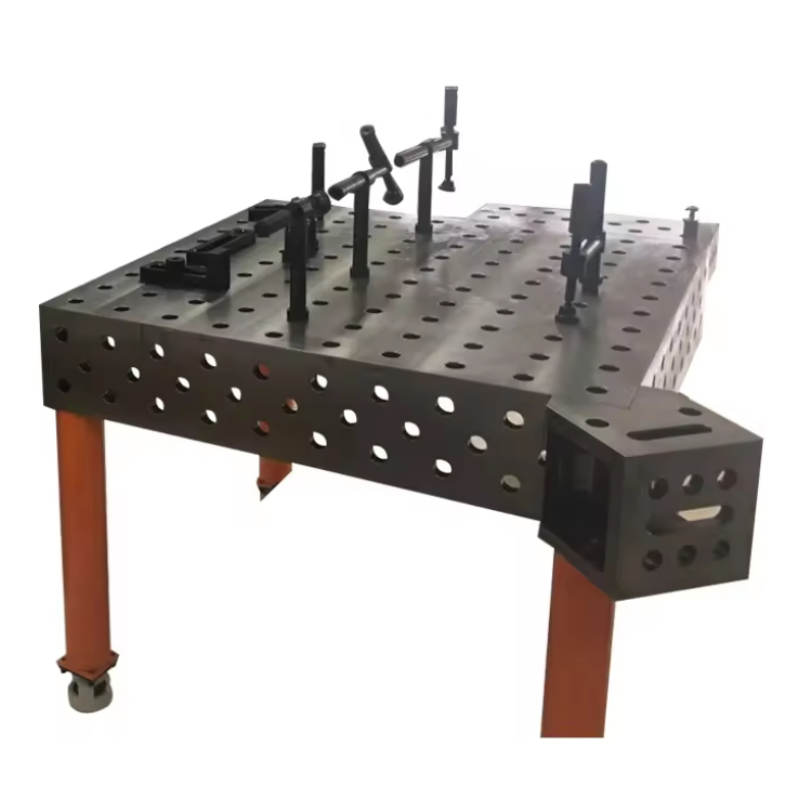
Understanding the Importance of Welding Fabrication Tables in the Industry Welding fabrication table
Vee Blocks Available for Purchase – High Quality Options to Choose From
Vee Blocks for Sale An Essential Tool for Precision Machining When it comes to precision machining,
 English